Presenting Your Brand with a Realistic White Indoors Logo Mockup
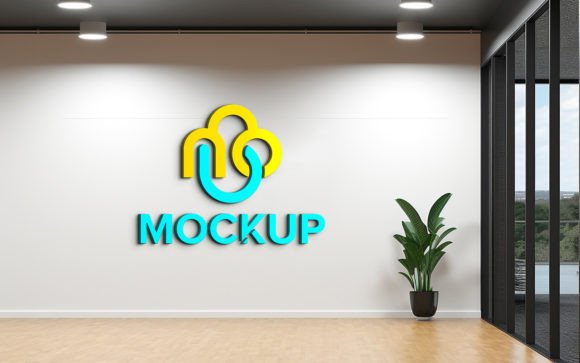
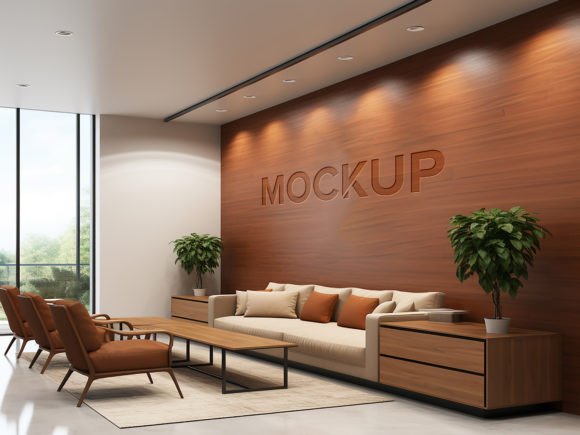
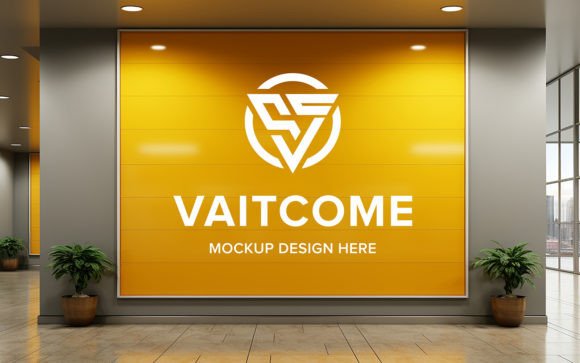
Visual identity is often the first handshake between a business and its potential clients. In a digital landscape saturated with flat, two-dimensional graphics, depth and context have become premium currencies. This is where a Realistic White Indoors Logo Mockup becomes an indispensable tool for designers, marketers, and entrepreneurs. It transforms a static vector file into a tangible asset, allowing viewers to imagine how a brand exists in the physical world. By placing your design against a clean, minimalist white interior background, you strip away distractions and let the logo speak for itself, bathed in natural light and grounded by subtle, realistic shadows.
The Power of Context in Brand Presentation
When you send a client a JPEG of their new logo on a transparent background, you are asking them to do the heavy lifting of imagination. They have to visualize how that mark will look on a wall, a sign, or a product. A high-quality mockup does this work for them. The specific appeal of a white indoor setting lies in its versatility and modern aesthetic. It suggests cleanliness, professionalism, and contemporary design sensibilities. Whether it is a sleek tech startup, a boutique coffee shop, or a high-end fashion label, the neutral backdrop ensures that the focus remains squarely on the typography and iconography of the brand.
This type of presentation is particularly effective for portfolios. Designers often struggle to showcase their work in a way that feels "real" without spending hours on complex 3D rendering or photography. Using a pre-made mockup allows you to present a polished, agency-level deliverable in minutes. The automatic shadow and lighting effects included in these files mean that your design doesn’t just sit on top of the image; it interacts with it. This interaction creates a sense of believability that flat designs simply cannot achieve.
Streamlining the Client Approval Process
One of the most significant practical benefits of using a Realistic White Indoors Logo Mockup is the impact it has on client communication. Clients are rarely designers. They may not understand kerning, color theory, or vector scalability, but they understand what looks good in a real-world setting. When you present a logo concept within a realistic environment, you reduce the cognitive load for the client. They can immediately see the potential application of their brand.
This clarity often leads to faster approval times. Instead of debating abstract design choices, the conversation shifts to how the brand feels in its intended space. The clean, white interior suggests a premium quality, which can help justify higher pricing for your design services. It signals that you have thought beyond the screen and considered the holistic brand experience. Furthermore, because these mockups are fully layered and organized, you can quickly swap out variations. If a client is undecided between two color palettes, you can update the smart object and present both options in the same realistic context, making comparison effortless.
Accessibility for Non-Designers and Small Businesses
Not everyone using these tools is a seasoned graphic designer. Many small business owners, social media managers, and content creators need to produce high-quality visual assets without extensive technical skills. The "no skill requirement" aspect of smart object replacement is a game-changer for this audience. With just a few clicks, a user can insert their own logo, and the software automatically handles the perspective, lighting, and shading.
This democratization of design quality means that a local bakery can create Instagram posts that look as professional as those from a national chain. They can use the mockup to show their new logo on a minimalist office wall or a clean storefront window. The 300 DPI resolution ensures that these images remain crisp whether they are viewed on a retina display or printed in a small brochure. For entrepreneurs who wear many hats, this efficiency is invaluable. It allows them to maintain a consistent and high-standard visual identity across all platforms without hiring external agencies for every minor update.
Versatility Across Industries and Applications
While the term "logo mockup" might suggest limited use, the applications are surprisingly broad. The white indoor setting is neutral enough to serve various industries. For interior designers, it can be used to showcase signage concepts for corporate lobbies. For event planners, it can visualize branding for conference backdrops. Even e-commerce sellers can use these scenes to place their brand mark in a lifestyle context, suggesting where their products might be enjoyed.
- Corporate Branding: Ideal for presenting letterheads, business cards, and office signage in a clean, professional environment.
- Retail and Hospitality: Perfect for visualizing storefront decals, menu boards, or wall art in cafes and boutiques.
- Digital Portfolios: Enhances case studies by providing a realistic anchor for digital-only brands.
- Social Media Content: Creates engaging, scroll-stopping visuals that stand out against cluttered feeds.
The key is the lighting. Natural light streaming into a white room creates soft gradients and gentle shadows that feel inviting and authentic. This is far more appealing than harsh, artificial studio lighting, which can sometimes make a brand feel cold or sterile. The realism helps bridge the gap between digital creation and physical presence.
Technical Considerations and Best Practices
To get the most out of a Realistic White Indoors Logo Mockup, it is important to understand a few technical nuances. First, always ensure your source logo is high-resolution. While the mockup handles shadows and lighting, it cannot fix a pixelated or low-quality input file. Since the pack includes a PSD with smart objects, double-clicking the layer thumbnail will open your design in a separate tab. Here, you should paste your vector or high-res raster image, save, and close. The main document will update instantly.
Pay attention to the folder structure. Well-organized layers are a hallmark of quality mockups. Take a moment to explore the folders; you may find additional adjustment layers for brightness, contrast, or color balance. These allow you to tweak the mood of the scene to better match your brand’s personality. For instance, if your brand is warm and cozy, you might slightly increase the temperature of the light. If it is cool and tech-focused, you might keep the whites crisp and bright.
Another consideration is the aspect ratio of your logo. While smart objects are flexible, extreme stretching can distort the perspective. It is best to use logos that fit naturally within the designated area. If your logo is very wide or very tall, you may need to adjust the scale within the smart object to ensure it looks proportional to the surrounding environment. The 100% editable nature of these files means you have control, but with great power comes the responsibility of maintaining visual harmony.
Elevating Perceived Value Through Realism
Ultimately, the goal of using any mockup is to elevate the perceived value of the work. A Realistic White Indoors Logo Mockup does this by adding a layer of sophistication. It tells the viewer that attention to detail matters. In a competitive market, these small touches can differentiate a good brand from a great one. The ease of use, combined with the high-quality 3D realistic output, makes it a staple resource for anyone serious about visual communication.
Whether you are a freelancer looking to impress a difficult client, a startup founder building your first deck, or a marketer refreshing your social media strategy, this tool offers a quick path to professional results. The ability to automatically generate correct shadows and lighting removes the technical barriers, allowing you to focus on the creative message. By integrating these realistic presentations into your workflow, you ensure that your brand is not just seen, but felt and remembered.