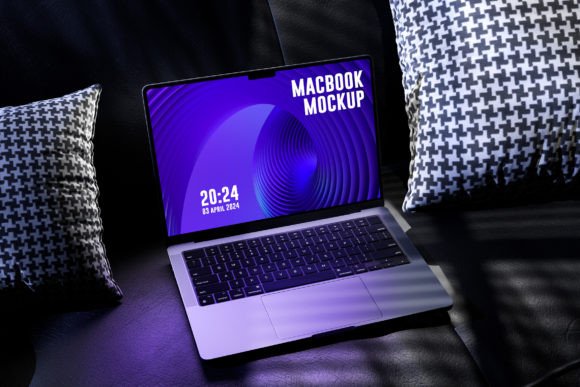
Macbook Mockup: Elevating Your Design Presentations with Realistic 3D Displays
In the fast-paced world of digital design, first impressions are not just important; they are everything. Whether you are a freelance graphic designer pitching to a new client, a marketing manager preparing a social media campaign, or an entrepreneur launching a new app, the way you present your work can significantly influence how it is perceived. This is where a high-quality Macbook mockup becomes an indispensable tool in your creative arsenal. It bridges the gap between a flat digital file and a tangible, real-world product, allowing viewers to visualize your design in a context that feels authentic and professional.
A Macbook mockup is essentially a pre-designed Photoshop template that features a realistic image of a MacBook laptop. Instead of manually photographing a physical device, which requires expensive equipment, perfect lighting, and significant post-processing time, you can simply insert your design into a smart object layer. The result is a polished, high-resolution image that looks like it was shot in a professional studio. For creators aged 20 to 50 who need to communicate ideas quickly and effectively, this tool offers a blend of efficiency and aesthetic appeal that is hard to match.
Why Context Matters in Digital Design
Imagine you have spent weeks designing a stunning website interface. You export the final JPEG and send it to your client. While the design itself might be flawless, viewing it as a flat, two-dimensional rectangle on a white background lacks emotional impact. It feels abstract. Now, imagine sending that same design displayed on a sleek, open MacBook Pro sitting on a minimalist wooden desk, with soft natural light reflecting off the screen. Suddenly, the design feels alive. It occupies space. It suggests a lifestyle. This psychological shift is powerful because it helps clients and customers envision themselves using the product.
Using a realistic 3D display for your portfolio or pitch decks adds a layer of credibility. It signals that you pay attention to detail and understand how your work will exist in the real world. For bloggers and content creators, these images break up text-heavy posts and provide visually engaging headers that keep readers scrolling. For educators creating online courses, showing course materials on a laptop screen makes the learning experience feel more accessible and modern.
Versatile Use Cases Across Industries
The beauty of a well-structured Macbook mockup lies in its versatility. It is not limited to web designers. Here is how different professionals can leverage this resource:
- App Developers: Showcase your mobile or desktop application interface in a familiar environment. Seeing an app on a laptop screen helps users understand its functionality and scale.
- Digital Marketers: Create compelling ads for social media platforms. A laptop displaying a landing page or an email newsletter performs better than static text because it provides immediate visual context.
- Freelancers and Agencies: Enhance your portfolio. When potential clients browse your work, seeing designs applied to realistic devices makes your past projects look more substantial and successful.
- E-commerce Sellers: If you sell digital products like ebooks, templates, or software, using a mockup helps customers understand what they are buying. It transforms an intangible download into a desirable product.
Each of these scenarios benefits from the easy and fast editing capabilities that modern mockups offer. Time is a scarce resource for small business owners and freelancers. The ability to drag, drop, and save a high-quality image in minutes rather than hours allows you to focus more on creation and less on production logistics.
Technical Quality and Ease of Use
Not all mockups are created equal. When selecting a Macbook mockup, technical specifications matter. A premium template typically comes as an Adobe Photoshop PSD file with dimensions around 3000x2000 pixels at 300 dpi. This resolution ensures that your images remain crisp and clear, whether they are viewed on a high-density retina display or printed in a brochure. Low-resolution images can appear pixelated and unprofessional, undermining the very purpose of using a mockup.
The key feature to look for is the use of smart objects. Smart objects allow you to double-click a layer, paste your design, and save. The template automatically adjusts your artwork to fit the perspective, lighting, and curvature of the laptop screen. This non-destructive editing method means you can swap out designs instantly without losing quality. Furthermore, well-organized layers and folders make the editing process intuitive, even for those who are not Photoshop experts. A included help file can guide you through any specific nuances of the template, ensuring a smooth workflow.
Choosing the Right Mockup for Your Brand
While the technical aspects are crucial, the aesthetic choice is equally important. The environment surrounding the laptop should complement your brand identity. A dark, moody setup with dramatic lighting might suit a gaming software company or a luxury brand. In contrast, a bright, airy workspace with natural light and minimal clutter works best for lifestyle blogs, wellness apps, or corporate consulting firms. Consistency in your visual language helps build brand recognition.
It is also essential to remember that model images and photographs used in these templates are for presentation purposes only. You are purchasing the digital framework, not the physical props or the stock photography rights to the background elements if they are licensed separately. Always check the license agreement to ensure you can use the final rendered images for commercial purposes. Most high-quality mockups allow for unlimited commercial use, but verifying this protects you from potential legal issues down the line.
Practical Tips for Best Results
To get the most out of your Macbook mockup, consider the following practical advice:
- Match the Lighting: Ensure your design’s brightness and contrast align with the lighting in the mockup scene. If the laptop screen in the mockup has a glare, adjust your design so important text isn’t obscured.
- Keep It Simple: Avoid overcrowding the screen with too much detail. The goal is to showcase the design, not to distract from it. Leave some negative space to let the eye rest.
- Use RGB Colors: Since these mockups are primarily for digital display, working in RGB color mode ensures accurate color representation on screens. CMYK is reserved for print, which may result in duller colors on digital devices.
- Test Different Angles: If your template includes multiple views, test them out. Sometimes a straight-on view works best for detailed UI designs, while an angled view adds dynamism to broader landscape shots.
By integrating a high-quality Macbook mockup into your workflow, you elevate your presentations from simple files to compelling visual stories. It is a small investment of time and resources that yields significant returns in professionalism and engagement. Whether you are showcasing a new website, promoting a digital course, or refining your portfolio, the right mockup helps your audience see not just what you have designed, but how it fits into their lives.