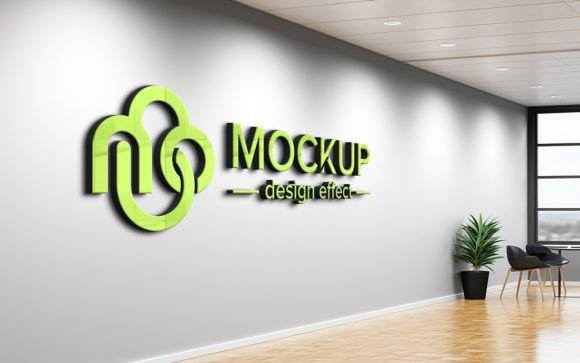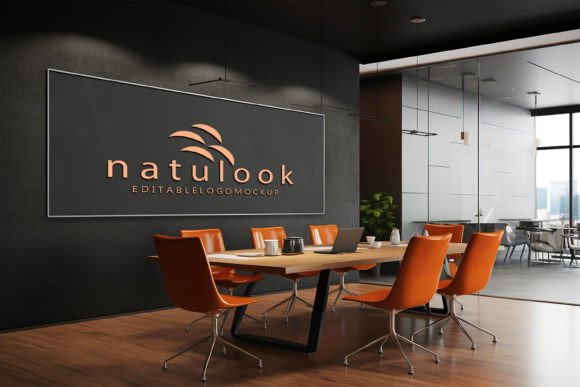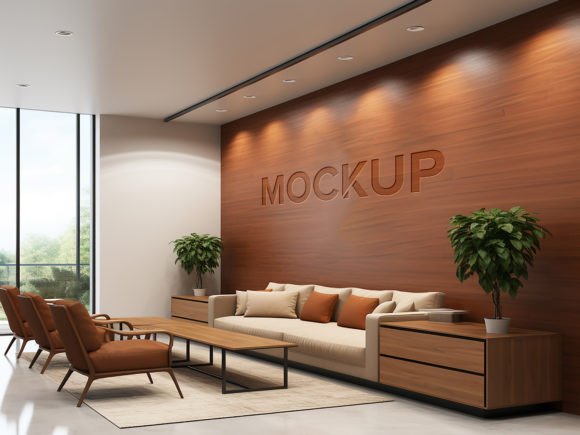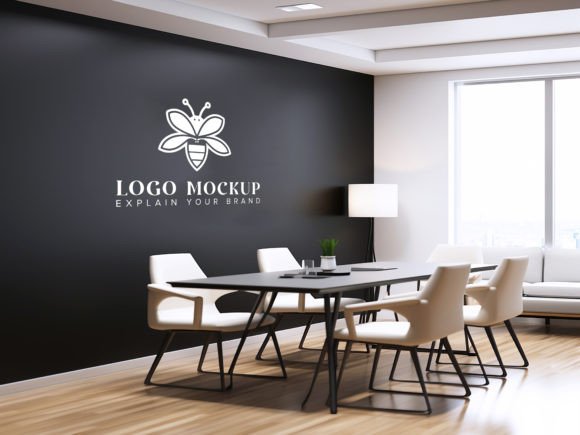
Elevating Corporate Identity: The Strategic Value of an Office Meeting Room Wall Logo Mockup
In the modern business landscape, brand identity extends far beyond digital screens and printed business cards. It permeates the physical spaces where decisions are made, collaborations begin, and company culture is cultivated. For designers, marketers, and entrepreneurs, presenting a cohesive visual narrative within corporate environments is crucial. This is where the Office Meeting Room Wall Logo Mockup becomes an indispensable tool. It bridges the gap between abstract design concepts and tangible reality, allowing stakeholders to visualize how a brand’s essence translates into architectural space.
The Shift Toward Experiential Branding
We are witnessing a significant shift in how organizations approach interior design and branding. The sterile, generic office spaces of the past are being replaced by environments that tell a story. Companies are increasingly investing in experiential branding, where every touchpoint—from the lobby to the conference room—reinforces core values. In this context, the meeting room is not just a functional space; it is a stage for leadership and innovation. A well-placed logo on a meeting room wall serves as a constant, subtle reminder of the organization’s mission.
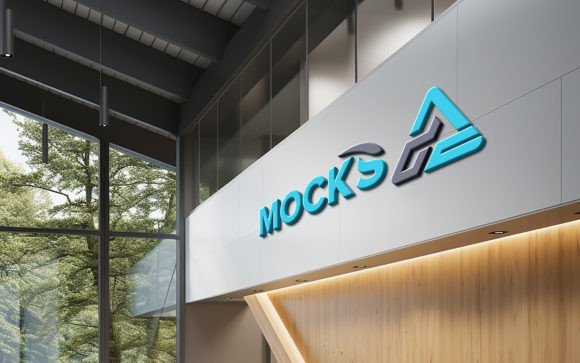
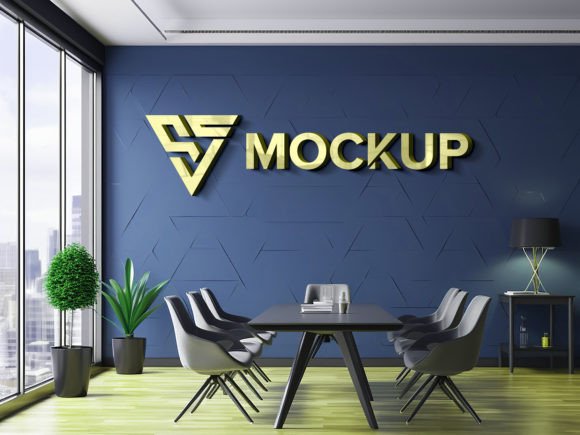
However, convincing clients or internal stakeholders to approve such installations requires more than a flat 2D graphic. They need to see how light interacts with the material, how shadows fall across the text, and how the design complements the existing architecture. This is precisely why professionals are turning to high-fidelity mockups. By utilizing an Office Meeting Room Wall Logo Mockup, creators can provide a photorealistic preview that eliminates ambiguity and accelerates decision-making.
Democratizing High-End Visualization
Historically, creating realistic renderings of interior signage required advanced 3D modeling skills, expensive software, and hours of rendering time. Today, the workflow has been streamlined dramatically. Modern mockup templates leverage smart object technology to make professional-grade visualization accessible to everyone, from seasoned art directors to freelance graphic designers.
The core advantage lies in the ease of use. With a fully layered and well-organized PSD file, users can simply double-click the smart object layer, paste their logo or text, and save. The template automatically applies the correct perspective, lighting, and shadows. This means that your design will have the correct shadows and lighting, looking like a real installation without requiring any manual adjustment. This automation removes the technical barrier, allowing creatives to focus on the design itself rather than the complexities of 3D rendering.
Key Features That Enhance Workflow
When selecting a mockup resource, quality and flexibility are paramount. A premium Office Meeting Room Wall Logo Mockup typically offers several critical features that ensure professional results:
- High-Quality 3D Realism: The foundation of any effective mockup is its resolution and attention to detail. At 300 DPI, these files ensure that even when zoomed in, the textures of the wall, the grain of the paint, and the subtle imperfections of the surface remain crisp and believable.
- Smart Object Replacement: This is the engine of efficiency. It allows for non-destructive editing, meaning you can experiment with different logos, colors, and sizes without altering the underlying structure of the image.
- Fully Layered Organization: Time is money in creative professions. Well-organized layers in folders mean you can quickly locate specific elements, adjust background colors, or tweak lighting effects if necessary.
- No Skill Requirement: Perhaps the most significant benefit is accessibility. You do not need to be a 3D artist to produce stunning visuals. Just replace your logo, and the template handles the heavy lifting.
Aligning with Modern Consumer and Client Expectations
Why is there such intense focus on these visualization tools now? The answer lies in changing consumer and client expectations. In an era dominated by high-resolution social media and instant gratification, audiences have developed a keen eye for authenticity. Flat, unrealistic presentations often fail to engage emotionally. Conversely, a photorealistic image of a logo mounted on a textured concrete or painted drywall evokes a sense of permanence and professionalism.
For freelancers and agencies, this translates to higher conversion rates. When pitching a rebranding project that includes environmental graphics, showing a client how their new logo will look in their actual boardroom builds confidence. It transforms an abstract idea into a foreseeable reality. This alignment with visual expectations is not just about aesthetics; it is about trust. Clients want to know that their investment in branding will yield tangible results in their physical workspace.
Practical Applications Across Industries
The versatility of the Office Meeting Room Wall Logo Mockup makes it relevant across various sectors. Consider a tech startup aiming to project an image of innovation and transparency. A minimalist logo on a clean, white wall in their glass-walled conference room can communicate clarity and modernity. Alternatively, a law firm might prefer a brushed metal finish on a dark wood panel to convey stability and tradition. The mockup allows designers to test these different material finishes and lighting conditions instantly.
Moreover, this tool is invaluable for remote collaboration. As teams become more distributed, the ability to share hyper-realistic visual assets via digital channels ensures that everyone, regardless of location, is on the same page. Instead of describing how a sign might look, you can send a JPG that speaks for itself. This reduces back-and-forth revisions and streamlines the approval process.
Technical Precision and Deliverables
Understanding the technical specifications of your tools is essential for maintaining quality control. A standard pack usually includes one high-resolution PSD file and one JPG preview. The PSD is the working file where all the magic happens. Because it is 100% editable, you have complete control over the final output. Whether you need to adjust the hue of the wall to match corporate colors or modify the intensity of the ambient light, the layered structure supports deep customization.
It is also worth noting the importance of file organization. A well-structured mockup saves hours of frustration. When layers are grouped logically—separating the background, the shadow effects, and the smart object placeholder—you can navigate the file intuitively. This organization is particularly beneficial when working under tight deadlines, allowing for rapid iterations and quick exports.
The Broader Impact on Creative Workflows
Integrating tools like the Office Meeting Room Wall Logo Mockup into your workflow represents a broader trend toward efficiency and precision in the creative industry. As businesses demand faster turnaround times without compromising on quality, designers must leverage resources that amplify their capabilities. These mockups are not shortcuts; they are force multipliers. They allow a single designer to produce work that previously might have required a team of specialists.
Furthermore, this approach encourages experimentation. When the cost of trying a new idea is low—both in terms of time and technical effort—creatives are more likely to explore bold concepts. You might test a vibrant color scheme against a neutral wall or experiment with unconventional typography placements. This freedom fosters innovation and leads to more distinctive brand expressions.
Conclusion: Investing in Visual Clarity
In conclusion, the Office Meeting Room Wall Logo Mockup is more than just a digital asset; it is a strategic tool for modern branding. It addresses the growing need for realistic, immersive visualizations in a world where physical and digital experiences are increasingly intertwined. By offering high-quality, easy-to-edit, and realistic previews, it empowers professionals to communicate their vision with clarity and confidence.
Whether you are a freelancer looking to impress a new client, an in-house designer refining your company’s environment, or a marketer planning a comprehensive brand rollout, incorporating these mockups into your toolkit is a wise investment. They simplify the complex, beautify the mundane, and ultimately, help bring your brand’s identity to life in the spaces that matter most. Remember to rate the tools you use, as community feedback drives the continuous improvement of these essential resources, ensuring they remain aligned with the evolving needs of the creative community.